
osha manual for dental office
OSHA Manual for Dental Office: An Overview
Dental practices navigate complex OSHA regulations, demanding meticulous adherence to safety protocols for both staff and patients; a comprehensive OSHA manual is crucial.
This manual details requirements, including PPE usage, hazard communication, infection control, and first aid, ensuring a compliant and secure dental office environment.
Maintaining detailed recordkeeping and consistent workplace cleanliness are vital components, alongside understanding the Bloodborne Pathogens Standard and cross-contamination prevention.
Ensuring a safe environment within a dental practice necessitates a thorough understanding of Occupational Safety and Health Administration (OSHA) standards. While no specific OSHA standards are exclusively for dentistry, numerous general industry regulations apply, addressing a wide spectrum of potential hazards.
These hazards encompass biological risks – like exposure to bloodborne pathogens – chemical dangers from disinfectants and sterilants, ergonomic concerns, and potential physical hazards. OSHA compliance isn’t merely about avoiding penalties; it’s fundamentally about protecting the well-being of dental personnel and patients.
A robust OSHA manual serves as the cornerstone of a successful compliance program. It outlines policies, procedures, and training protocols designed to mitigate risks and foster a culture of safety. Proactive compliance demonstrates a commitment to employee health and minimizes the potential for workplace incidents, ultimately contributing to a more productive and positive work atmosphere.
Regular updates reflecting changes in OSHA regulations and best practices are essential for maintaining an effective and current manual.
The Importance of an OSHA Manual
A well-developed OSHA manual is paramount for any dental office, functioning as a central repository of safety protocols and compliance procedures. It’s not simply a document to satisfy regulatory requirements, but a vital tool for protecting employees and patients from potential hazards inherent in dental practice.
The manual demonstrates a proactive commitment to workplace safety, minimizing risks associated with bloodborne pathogens, chemical exposures, and cross-contamination. It streamlines OSHA inspections, providing clear evidence of a comprehensive safety program.
Furthermore, a detailed manual facilitates consistent training, ensuring all staff members understand their roles and responsibilities in maintaining a safe environment. It also aids in recordkeeping, documenting safety procedures and incident reports.
Ultimately, a comprehensive OSHA manual fosters a culture of safety, reducing the likelihood of accidents, injuries, and potential legal liabilities for the dental office.

Key OSHA Standards for Dental Practices
Dental offices must adhere to crucial OSHA standards, notably the Bloodborne Pathogens and Hazard Communication Standards, ensuring workplace safety and regulatory compliance.
Bloodborne Pathogens Standard (29 CFR 1910.1030)
The Bloodborne Pathogens Standard is paramount in dental settings due to the high risk of exposure to infectious materials like saliva, blood, and other bodily fluids. Compliance necessitates a detailed Exposure Control Plan, outlining procedures to minimize or eliminate these risks.
This plan must include methods for evaluating exposure incidents, implementing engineering controls (like sharps containers), work practice controls (hand hygiene), and providing appropriate Personal Protective Equipment (PPE). Crucially, offering a Hepatitis B Vaccination is mandatory for all employees with potential exposure.
Post-Exposure Procedures are also vital; a clear protocol for handling accidental needlesticks or contact with infectious materials must be established, including immediate first aid, reporting, and medical evaluation. Thorough documentation of all training, vaccinations, and exposure incidents is essential for demonstrating compliance with OSHA regulations.
Exposure Control Plan Development
Developing a robust Exposure Control Plan is the cornerstone of OSHA compliance for dental offices. This written plan must detail how the practice will eliminate or minimize employee exposure to bloodborne pathogens. It begins with identifying all tasks and procedures involving potential exposure, such as dental instrument use and patient care.
The plan must document engineering controls like sharps containers and handwashing stations, alongside work practice controls like proper instrument handling and disinfection protocols. A designated individual responsible for implementing and updating the plan is crucial.
Regular review and updates, at least annually or when changes occur, are essential. Employee input during plan development fosters a safer work environment. Detailed recordkeeping of the plan itself, training records, and exposure incidents demonstrates a commitment to safety and regulatory adherence.
Hepatitis B Vaccination
The OSHA Bloodborne Pathogens Standard mandates offering the Hepatitis B vaccination series to all employees with potential occupational exposure to blood or other potentially infectious materials. This offer must be made at no cost to the employee. Detailed records of vaccination status – including declinations – must be maintained confidentially in the employee’s medical file.
Employees are not required to receive the vaccination, but a signed declination form is necessary if they choose to refuse. The vaccination series should be administered according to current CDC guidelines.
Post-vaccination testing is not required to confirm immunity, but employees should be informed about the benefits of completing the series. Regular review of vaccination records ensures ongoing compliance and protects the health and safety of the dental team.
Post-Exposure Procedures
Dental offices must establish and meticulously follow written post-exposure procedures for incidents involving blood or other potentially infectious materials. Immediate actions include washing the wound thoroughly with soap and water, and reporting the incident to a designated supervisor.
A comprehensive incident report must be completed, documenting the details of the exposure, including the source patient’s information (if possible) and the type of exposure.
Prompt medical evaluation and follow-up are crucial, offering options like Hepatitis B immunoglobulin or prophylactic treatment. Confidentiality is paramount throughout the process, protecting both the employee and the patient’s privacy. Thorough documentation of all steps taken is essential for OSHA compliance.
Hazard Communication Standard (29 CFR 1910.1200)
The Hazard Communication Standard, vital for dental offices, ensures employees understand the risks associated with chemicals used daily. This includes maintaining a comprehensive inventory of all hazardous chemicals, alongside readily accessible Safety Data Sheets (SDS).
OSHA mandates clear chemical hazard labeling requirements, ensuring containers are properly identified with warnings and hazard information. Employers must provide thorough employee training on chemical hazards, covering SDS interpretation, safe handling practices, and appropriate PPE usage.
Simplified labeling is now available, aiding compliance and staff understanding. Regular review and updates to the chemical inventory and SDS collection are essential for maintaining a safe and compliant workplace.

Chemical Hazard Labeling Requirements
OSHA’s Hazard Communication Standard dictates stringent chemical hazard labeling requirements for all dental offices. Every container of hazardous chemicals must display labels with specific, standardized information, ensuring immediate recognition of potential dangers.
These labels must include the chemical’s identity, hazard warnings, and the name and address of the manufacturer or responsible party. The Globally Harmonized System (GHS) is now widely adopted, providing a consistent approach to hazard classification and communication.
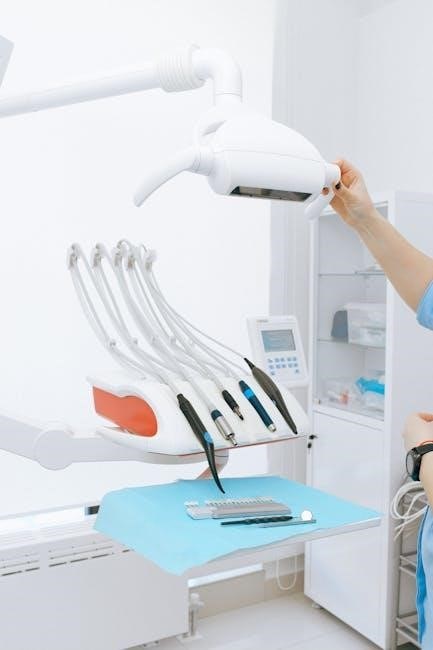
Labels must be legible, prominently displayed, and not easily removed. Simplified labeling options are available to enhance clarity and compliance. Proper labeling is crucial for protecting employees and facilitating safe chemical handling within the dental practice.
Safety Data Sheets (SDS) Management
Effective Safety Data Sheet (SDS) management is a cornerstone of OSHA compliance for any dental office utilizing hazardous chemicals. Employers are obligated to maintain readily accessible SDSs for every chemical present in the workplace, ensuring employees have crucial safety information at their fingertips.
These SDSs provide detailed information on chemical properties, hazards, safe handling procedures, and emergency response protocols. Dental staff must be trained on how to locate and interpret SDS information effectively.
Maintaining an organized SDS system – whether physical or digital – is essential. Regular updates are vital, as SDSs are revised when new hazard information becomes available. Proper SDS management minimizes risks and promotes a safer working environment.
Employee Training on Chemical Hazards
Comprehensive employee training on chemical hazards is a non-negotiable aspect of OSHA compliance within a dental office. The Hazard Communication Standard mandates that all employees handling hazardous chemicals receive thorough training before beginning work.
This training must cover the identification of hazardous chemicals, understanding SDS information, proper handling procedures, and appropriate PPE usage. Employees need to be aware of the potential health effects associated with chemical exposure and emergency procedures.
Regular refresher training is also crucial to reinforce safe practices and update employees on any new chemical hazards or procedures. Documentation of all training sessions is essential for demonstrating compliance during OSHA inspections, ensuring a safe and informed workforce.
Personal Protective Equipment (PPE)
Personal Protective Equipment (PPE) is paramount in safeguarding dental personnel from occupational hazards, as mandated by OSHA regulations. A robust PPE program is a cornerstone of a compliant dental office, protecting against bloodborne pathogens, chemical exposure, and other workplace risks.
Required PPE typically includes gloves, masks, protective eyewear (goggles or face shields), and protective clothing like lab coats. Proper selection of PPE is crucial, ensuring it fits correctly and provides adequate protection for the specific task.
Furthermore, detailed protocols for proper donning and doffing procedures are essential to prevent self-contamination. Regular training on PPE use and maintenance is vital, alongside consistent enforcement of PPE policies.
Required PPE in Dental Settings
OSHA mandates specific Personal Protective Equipment (PPE) for dental settings to mitigate exposure risks. Gloves are universally required, protecting hands from infectious materials and chemicals; they must be changed frequently and after any potential contamination.
Masks, offering respiratory protection, are essential during procedures generating aerosols. Protective eyewear, such as goggles or face shields, shields eyes from splashes and debris. Lab coats or gowns act as barriers, preventing contamination of clothing.
Additional PPE may include disposable aprons for procedures with significant splatter potential. Selection should align with the specific task and potential hazards. Proper fit and consistent use are critical for effectiveness, ensuring comprehensive protection for dental staff.
Proper Donning and Doffing Procedures
Correct PPE use hinges on meticulous donning (putting on) and doffing (taking off) procedures to prevent self-contamination. Donning typically follows a sequence: gown, mask, goggles/face shield, then gloves, ensuring each layer is secure.
Doffing is even more critical, requiring a specific order to minimize exposure: gloves first, followed by gown, goggles/face shield, and finally, the mask. Each item should be removed carefully, avoiding touching the outer contaminated surfaces.
Hands must be washed immediately after doffing. Designated areas for PPE removal are essential, preventing contamination of clean spaces. Thorough training on these procedures is paramount, reinforcing safe practices and minimizing risks within the dental office.
Infection Control and Cross-Contamination Prevention
Dental offices must rigorously adhere to OSHA’s infection control guidelines to safeguard both patients and staff. Preventing cross-contamination is paramount, demanding strict protocols for instrument handling and surface disinfection.
Dental Office Sanitation Standards necessitate regular cleaning and disinfection of all treatment areas, utilizing EPA-registered disinfectants. Proper instrument processing—cleaning, sterilization, and storage—is non-negotiable, following manufacturer’s instructions meticulously.

Implementing barrier protection, like disposable coverings for surfaces, further minimizes contamination risks. Comprehensive training for all personnel on these procedures is vital, ensuring consistent application of best practices and maintaining a safe, hygienic dental environment.
Dental Office Sanitation Standards
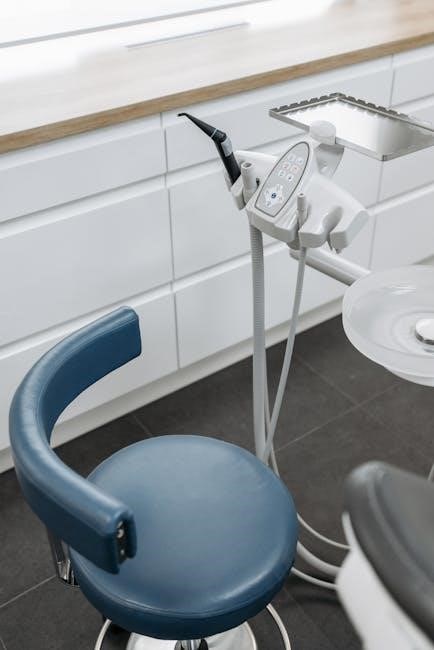
Maintaining impeccable dental office sanitation is fundamental to OSHA compliance and patient safety. All rooms and passageways must remain consistently clean, orderly, and sanitary, preventing the buildup of potentially hazardous materials.
Aisles and hallways require unobstructed access, free from clutter and debris, ensuring safe movement throughout the facility. Floors must be maintained in good repair, regularly cleaned, and disinfected to minimize contamination risks.
Routine cleaning schedules, detailing specific tasks and frequencies, are essential. This includes wiping down surfaces with EPA-registered disinfectants, proper waste disposal, and diligent attention to high-touch areas. Consistent adherence to these standards creates a safe and welcoming environment.
Instrument Sterilization Procedures
Dental offices must implement rigorous instrument sterilization procedures to prevent cross-contamination and adhere to OSHA guidelines. This begins with meticulous cleaning to remove debris, followed by disinfection to eliminate vegetative microorganisms.
Sterilization, the highest level of infection control, is crucial for instruments penetrating soft tissue or bone. Accepted methods include autoclaving (steam sterilization), utilizing validated cycles and biological indicators to confirm efficacy.
Proper packaging maintains sterility until use, and detailed records documenting sterilization cycles are essential for demonstrating compliance. Regular maintenance and testing of sterilization equipment are vital. Following manufacturer’s instructions and established protocols ensures patient and staff safety.
Medical and First Aid
OSHA’s standard for Medical and First Aid (29 CFR 1910.151) mandates that dental offices provide readily accessible facilities for quick treatment of injuries. A fully stocked first aid kit, appropriate for the specific hazards of a dental practice, is non-negotiable.
Beyond the kit, employers must ensure employees are trained in basic first aid procedures, including CPR and the management of dental-specific emergencies like allergic reactions or lacerations. Clear emergency response procedures, detailing contact information and evacuation plans, are also required.
Maintaining accurate records of first aid administered and any resulting medical follow-up is crucial. Proactive planning and preparedness minimize risks and demonstrate a commitment to employee well-being within the dental office.
First Aid Kit Requirements (29 CFR 1910.151)

OSHA regulation 29 CFR 1910.151 dictates specific requirements for first aid kits in dental offices. Kits must be readily accessible to all employees and maintained in a sanitary and serviceable condition. The contents should be appropriate for the identified hazards of the practice, going beyond basic supplies.
Essential items include bandages of various sizes, antiseptic wipes, gauze pads, adhesive tape, burn cream, pain relievers, and eye wash solution. Specialized items, like gloves and CPR masks, are also recommended given the potential for bloodborne pathogen exposure.
Regular inspection and restocking are vital; expired or used items must be replaced promptly. Documentation of kit checks and restocking ensures ongoing compliance and preparedness for potential workplace injuries within the dental setting.
Emergency Response Procedures
Dental offices must establish clear emergency response procedures, detailed within the OSHA manual, to address potential incidents effectively. These procedures should cover medical emergencies, fires, chemical spills, and workplace violence, ensuring staff preparedness.
Protocols must include immediate actions – like activating the emergency medical system (EMS) – and designated roles for employees. Regular drills are crucial to reinforce these procedures and identify areas for improvement.
The plan should outline evacuation routes, communication methods, and the location of emergency equipment, such as AEDs. Post-incident reporting and investigation are also essential components, allowing for analysis and prevention of future occurrences within the dental practice.

Maintaining a Safe Dental Environment
Consistent adherence to OSHA guidelines, encompassing workplace cleanliness, diligent hand hygiene, and proper waste management, is paramount for a secure dental practice.
Workplace Cleanliness and Order
Maintaining a consistently clean and orderly dental office is not merely aesthetic; it’s a fundamental OSHA requirement directly impacting both patient and employee safety. Regulations stipulate that all rooms and passageways must be kept impeccably clean, sanitary, and free from obstructions.
Specifically, aisles and hallways require unobstructed access, devoid of debris or clutter, while floors must be maintained in a safe condition, preventing slips, trips, and falls. This extends to regular cleaning schedules for surfaces, equipment, and treatment areas, minimizing the risk of contamination and infection spread.

Furthermore, proper storage of materials and supplies is essential, ensuring they are organized and do not create hazards. A proactive approach to cleanliness demonstrates a commitment to a safe working environment and compliance with OSHA standards, fostering trust with patients and staff alike.
Hand Hygiene Practices

Effective hand hygiene is paramount within a dental office, serving as a cornerstone of OSHA compliance and infection control. Regulations mandate that all personnel meticulously wash their hands, face, and forearms before engaging in any activity that could potentially lead to contamination.
This includes, critically, before eating, drinking, smoking, or applying cosmetics – activities that could easily transfer pathogens. OSHA explicitly prohibits consuming food or beverages within treatment areas, reinforcing the separation of personal and clinical spaces.
Proper handwashing techniques, utilizing appropriate antimicrobial soap and water, are essential, alongside the use of hand sanitizers when handwashing isn’t immediately feasible. Consistent adherence to these practices significantly reduces the risk of cross-contamination, safeguarding both patients and dental professionals.
Waste Management and Disposal
Dental offices generate diverse waste streams, necessitating a robust waste management system compliant with OSHA regulations and environmental standards. Proper segregation of waste is crucial, categorizing items as regulated medical waste, sharps, and general waste, each requiring distinct disposal protocols.
Sharps containers, puncture-resistant and clearly labeled, are mandatory for disposing of needles, blades, and other sharp instruments. Regulated medical waste, potentially infectious, demands specialized handling and disposal through licensed services.
General waste follows standard municipal disposal guidelines. Detailed recordkeeping of waste disposal, including manifests and service agreements, is essential for demonstrating OSHA compliance. A well-defined plan minimizes environmental impact and protects personnel from potential hazards.
Recordkeeping and Documentation
Meticulous recordkeeping and comprehensive documentation are cornerstones of OSHA compliance for any dental office. Maintaining accurate records demonstrates a commitment to workplace safety and facilitates smooth inspections.
Essential records include training logs for all employees, detailing topics like Bloodborne Pathogens, Hazard Communication, and PPE usage. Documentation of Hepatitis B vaccination status, post-exposure incident reports, and SDS availability are also critical.
Furthermore, maintain records of waste management disposal, equipment maintenance, and incident investigations. These records should be readily accessible and retained for the duration specified by OSHA regulations, proving due diligence and a safe working environment.